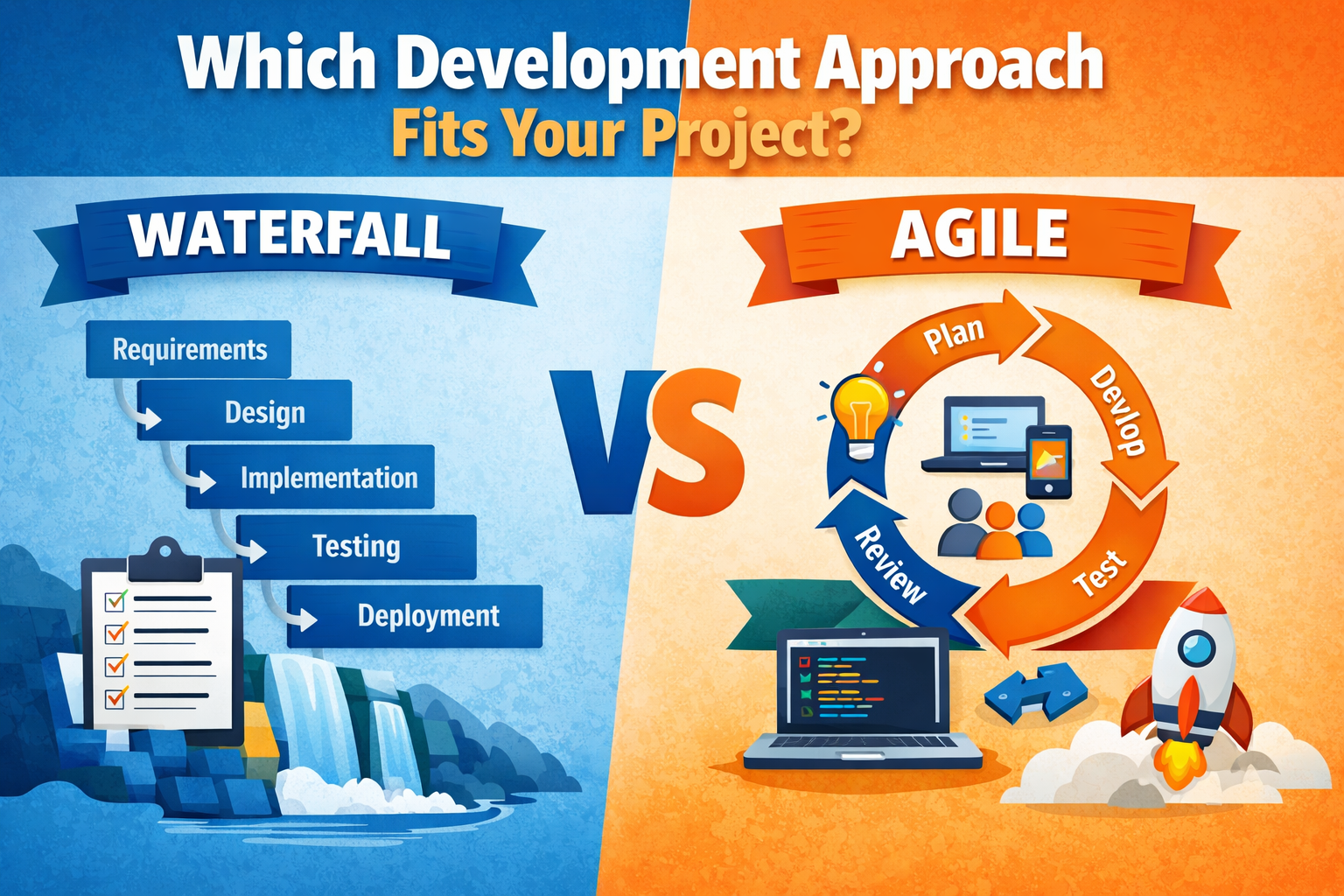
Which Development Approach Fits Your Project? Waterfall vs Agile
Learn the key differences between Waterfall and Agile methodologies and discover which approach best fits your project's requirements, timeline, and stakeholder needs.
Choosing the right software development approach can determine whether a project delivers value quickly and adapts to change, or struggles with delays and misaligned expectations. The methodology a team follows shapes how requirements are gathered, how work is organized, and how stakeholders engage throughout delivery. This article explores two fundamental software development approaches: Waterfall and Agile. Understanding their principles, strengths, and ideal use cases helps teams select the methodology that best fits their project context.
What Are Software Development Approaches?
Software development approaches are structured frameworks that guide how teams plan, execute, and deliver software projects. They define when activities happen, how teams collaborate, and how changes are managed throughout the development lifecycle. Different approaches emerged to address different challenges. Some prioritize predictability and documentation, while others emphasize flexibility and rapid feedback. No single approach works for every situation; the choice depends on project characteristics, stakeholder needs, and organizational culture.
The Waterfall Approach
Waterfall is a sequential development methodology where each phase must be completed before the next begins. The typical phases include requirements gathering, design, implementation, testing, deployment, and maintenance. Each phase produces specific deliverables that inform the next stage. Waterfall works best in certain contexts:
- •Requirements are well understood and unlikely to change
- •The technology is mature and proven
- •Regulatory compliance demands extensive documentation
- •Contracts require fixed scope and price upfront
For example, developing software for medical devices often follows Waterfall because regulatory bodies require complete documentation of requirements, design decisions, and testing protocols before approval. Changes after approval trigger costly recertification processes, making upfront planning essential. The main limitation of Waterfall is inflexibility. Once requirements are locked, accommodating changes becomes difficult and expensive. Stakeholders see working software only late in the process, increasing the risk that the delivered solution misses evolving business needs.
The Agile Approach
Agile is an iterative development methodology where software is built incrementally through short cycles called sprints or iterations, typically lasting one to four weeks. Each iteration produces working software that stakeholders can review and provide feedback on. Agile emphasizes collaboration, adaptability, and continuous improvement. Rather than planning everything upfront, teams refine requirements progressively based on what they learn. This approach values working software over comprehensive documentation and responding to change over following a fixed plan. Agile thrives when:
- •Requirements are uncertain or expected to evolve
- •Time to market is critical
- •User feedback will shape the solution
- •Innovation and experimentation are encouraged
For example, a startup building a customer mobile app benefits from Agile because user preferences emerge through usage. Early versions can be released to gather real feedback, and features can be adjusted or added based on actual user behavior rather than assumptions made months earlier. Common Agile frameworks include Scrum, which organizes work into fixed sprints with defined ceremonies, and Kanban, which focuses on continuous flow and limiting work in progress.
Comparing the Approaches
The fundamental difference lies in how each approach handles change and uncertainty. Waterfall assumes requirements can be fully known upfront and prioritizes comprehensive planning. Agile assumes requirements will evolve and prioritizes rapid learning through delivery. Waterfall provides predictability in scope, timeline, and budget when requirements are stable. However, it struggles when business needs shift or when early assumptions prove incorrect. Discovering issues during late-stage testing can trigger expensive rework. Agile provides flexibility to adapt as understanding improves. Teams can pivot based on feedback and changing priorities. However, this adaptability requires active stakeholder involvement and can make long-term planning and budgeting more challenging. Neither approach is inherently superior. Waterfall remains appropriate for projects with stable requirements and regulatory constraints. Agile suits dynamic environments where learning and adaptation drive better outcomes.
Choosing the Right Approach
Selecting between Waterfall and Agile depends on several factors. Consider the level of requirement certainty: stable requirements favor Waterfall, while uncertain or evolving needs favor Agile. Evaluate stakeholder availability: Agile requires ongoing participation, whereas Waterfall needs intensive involvement primarily during requirements and acceptance phases. Assess organizational readiness as well. Agile demands cultural shifts toward collaboration, transparency, and accepting change. Organizations accustomed to command-and-control structures may find Waterfall more natural initially. Many organizations adopt hybrid approaches, using Waterfall for infrastructure or compliance-heavy components while applying Agile to customer-facing features. The key is matching the methodology to the problem rather than forcing every project into the same framework.
Conclusion
Understanding software development approaches enables better decision-making about how to structure and deliver projects. Waterfall offers structure and predictability for well-defined efforts, while Agile provides adaptability for dynamic environments. Success depends less on choosing the 'right' methodology and more on understanding project characteristics, stakeholder needs, and organizational context. The best approach is the one that helps teams deliver value effectively while managing constraints and uncertainty appropriately.
Related Articles
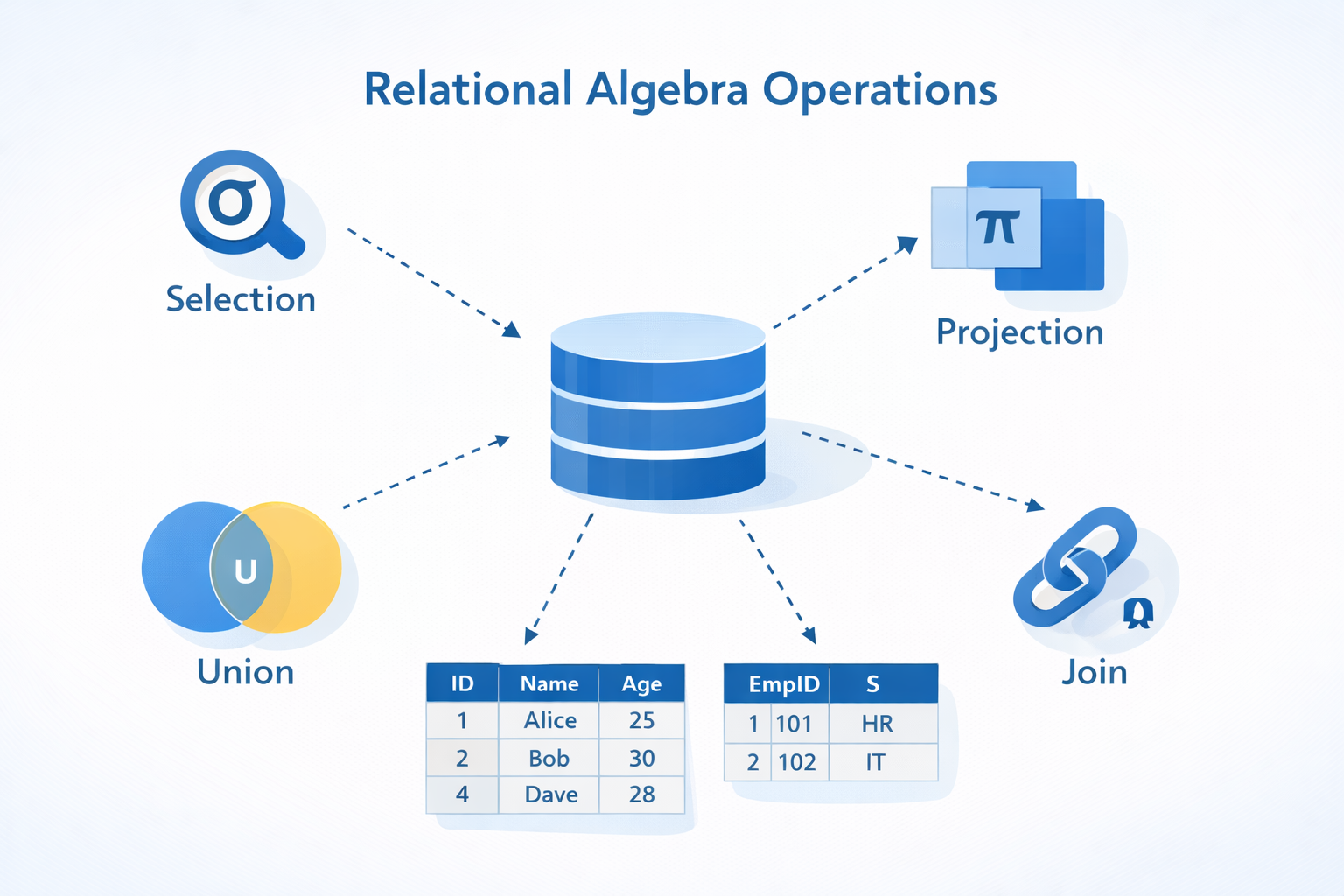
An In-Depth Look at Relational Algebra Operations
Learn the essential steps, skills, and strategies to successfully transition into a Business Analyst role from any background.
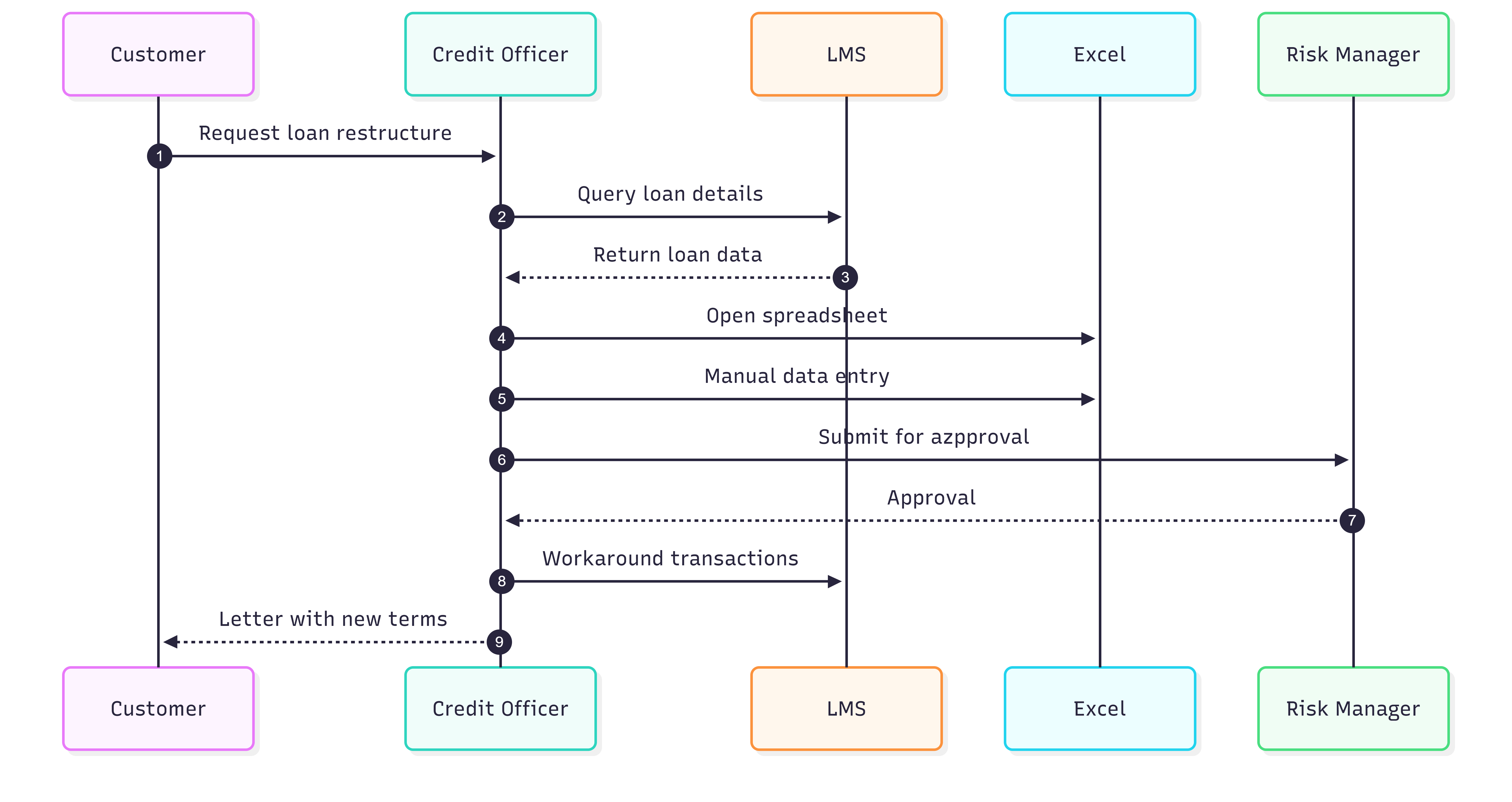
Sequence Diagrams Explained: A Complete Guide with Practical Examples
A comprehensive guide for developers, business analysts, and product managers to understand, create, and master sequence diagrams using Mermaid syntax.
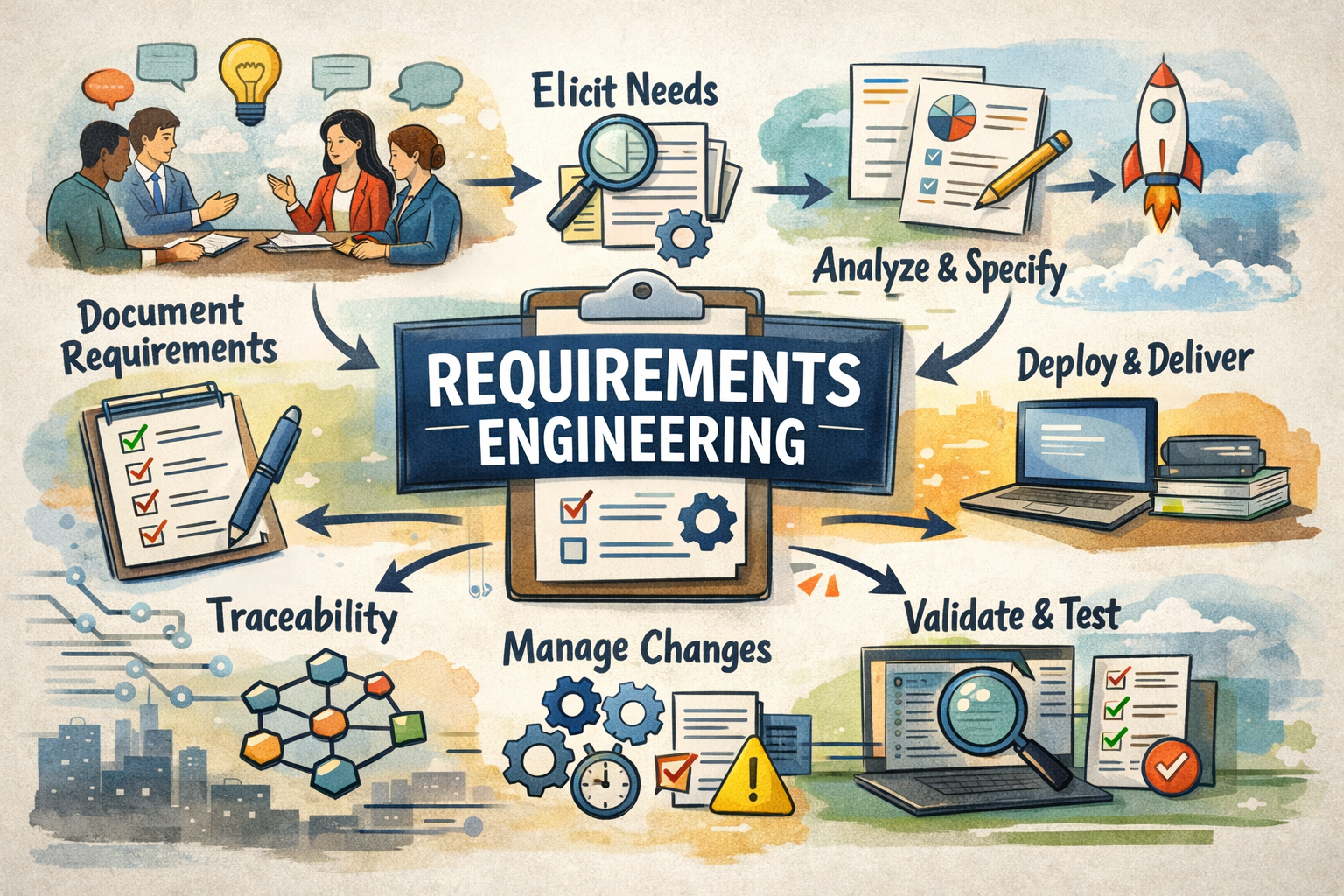
Requirements Engineering Lifecycle
Master the essential stages of requirements engineering that transform stakeholder needs into successful software solutions.