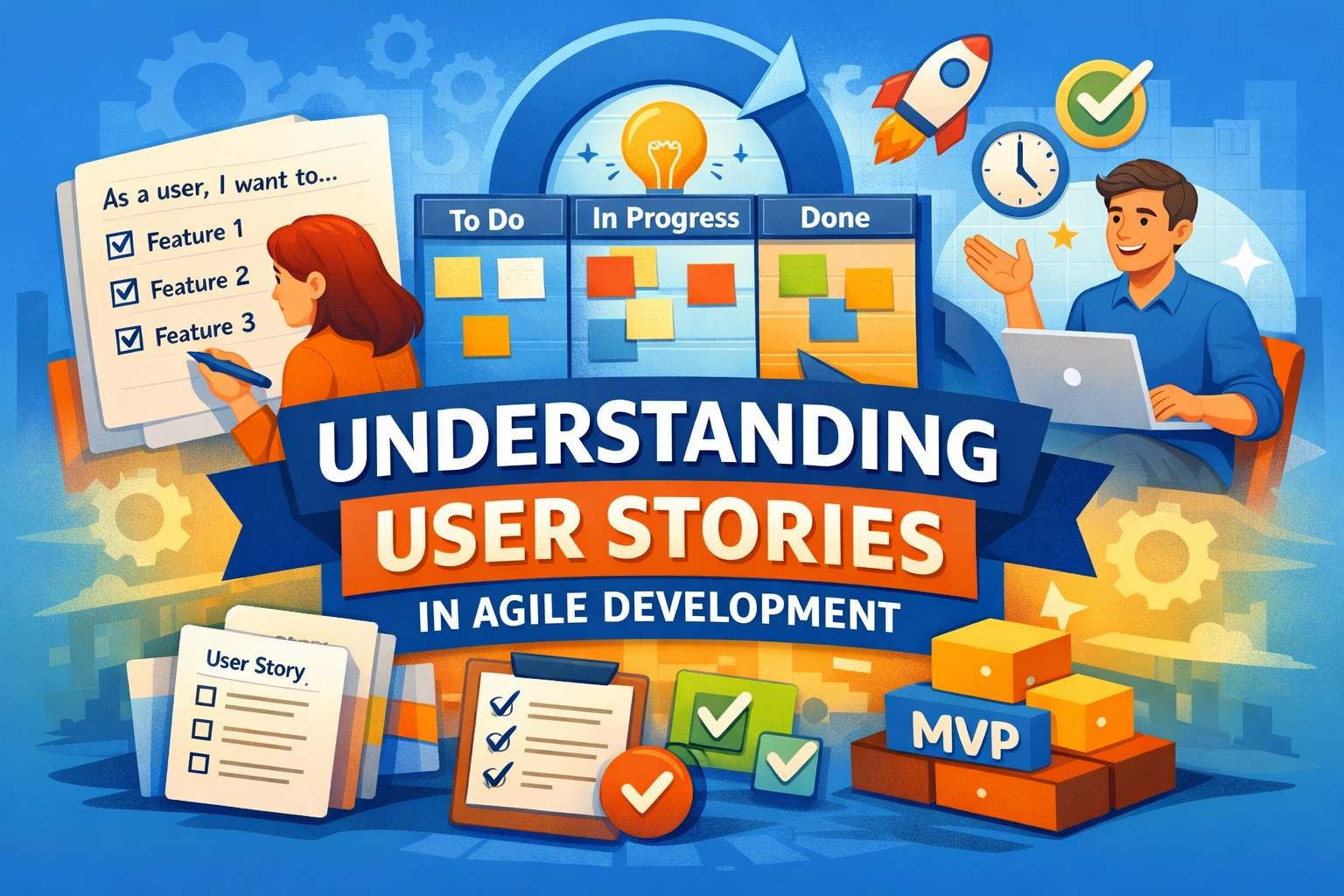
Understanding User Stories in Agile Development
Learn how user stories transform software requirements by focusing on user needs rather than technical specifications.
User stories represent a fundamental shift in how software requirements are documented within Agile frameworks. Rather than producing exhaustive technical specifications, user stories frame features as user-centered problems that need solutions. This approach captures what users need to accomplish in simple, accessible language that everyone on the team can understand. User stories serve as lightweight documentation that focuses on what users need rather than how the system should technically implement those needs. They act as placeholders for conversations between the development team and stakeholders, ensuring everyone understands the value being delivered.
The Standard Format
The most common template for writing user stories follows this structure: As a [type of user], I want [some goal] so that [some reason]. This format ensures three critical elements are always present: the user (who), the action (what), and the value (why). Each component plays a vital role in helping teams understand and prioritize work. For example: 'As a customer, I want to save items to a wishlist so that I can purchase them later when I have budget available.'
Why User Stories Matter
Traditional requirements documents often focus on system capabilities without clearly connecting them to user needs. User stories reverse this approach by starting with the person and their goal. This shift creates several important benefits. User stories promote collaboration. Rather than handing developers a prescriptive specification, stories invite discussion about the best way to solve the user's problem. The development team can ask questions, suggest alternatives, and bring technical expertise to bear on finding optimal solutions. User stories maintain flexibility. Because they describe desired outcomes rather than specific implementations, teams can adapt their approach as they learn more during development. What seemed like the right solution during planning might evolve into something better through iteration. User stories keep work focused on value. Every story directly connects to a user need, making it easier to prioritize work based on impact. Features that don't map to clear user value become immediately apparent and can be reconsidered.
Acceptance Criteria: Defining Done
While a user story describes what needs to be accomplished, acceptance criteria define how the team will know when it's complete. These are specific, testable conditions that must be met for the story to be considered done. Without acceptance criteria, teams often struggle with scope creep and disagreements about whether work is truly finished. Acceptance criteria transform vague requirements into concrete, verifiable statements. They serve multiple purposes: they give developers clear implementation targets, provide testers with specific scenarios to validate, and ensure stakeholders and the team share the same understanding of what 'done' means. Acceptance criteria typically follow a 'Given, When, Then' format that describes the context, action, and expected result:
- •Given [some context]
- •When [some action occurs]
- •Then [this outcome results]
Using the wishlist example, acceptance criteria might include:
- •Given a logged-in customer views a product, when they click the 'Add to Wishlist' button, then the item appears in their wishlist
- •Given a customer has items in their wishlist, when they view their wishlist page, then all saved items display with current pricing
- •Given a customer wants to remove an item, when they click the remove button, then the item no longer appears in their wishlist
These criteria provide the development team with clear targets and give testers specific scenarios to verify. They also help identify edge cases and clarify behavior that might not be obvious from the user story alone.
The INVEST Principles
Quality user stories generally follow the INVEST criteria, which helps teams evaluate whether stories are ready for development.
- •Independent: Stories should stand alone without tight coupling to other stories. This allows for flexible prioritization and parallel development.
- •Negotiable: Stories are not rigid contracts but starting points for discussion. Implementation details remain open for conversation between stakeholders and developers.
- •Valuable: Each story must deliver meaningful value to users or the business. Technical tasks that don't directly create user value should be reframed or integrated into value-delivering stories.
- •Estimable: Teams should be able to roughly size the effort required. Stories that cannot be estimated usually need more detail or should be broken down further.
- •Small: Stories should be completable within a single sprint or iteration. Large stories, often called epics, need decomposition into smaller, deliverable pieces.
- •Testable: Clear acceptance criteria make stories verifiable. If the team cannot determine whether a story is done, it needs refinement.
Common Mistakes to Avoid
Several pitfalls frequently undermine the effectiveness of user stories. Creating stories that are too large: Epic-sized stories like 'As a user, I want to manage my account' encompass too much functionality. These need breaking down into discrete, deliverable pieces such as 'change password,' 'update profile information,' and 'manage notification preferences.' Focusing on solutions instead of problems: Stories that prescribe specific UI elements or technical approaches constrain creativity and may not lead to the best solution. 'As a user, I want a dropdown menu' dictates implementation. 'As a user, I want to filter products by category quickly' describes the need and invites discussion about the best approach. Omitting the 'so that' clause: The reason behind the request matters. It provides context for decision-making and helps teams understand priority. Without knowing why users need something, developers may miss important nuances or opportunities.
Making User Stories Work
Successful user story practices require more than proper formatting. Teams need to treat stories as communication tools, not complete specifications. Regular conversation between stakeholders and developers ensures shared understanding develops throughout the development process. Stories should be written collaboratively when possible. Product owners bring user insight and business context. Developers contribute technical perspective and can identify dependencies or complexities. Testers help craft clear acceptance criteria and think through edge cases. Refinement sessions allow teams to review upcoming stories, ask questions, break down large items, and ensure stories meet the INVEST criteria before work begins. This preparation prevents confusion and delays during actual development. User stories represent a fundamental shift in how software requirements are captured and communicated. By focusing on users and their needs rather than system specifications, teams build products that solve real problems and deliver genuine value.
Related Articles
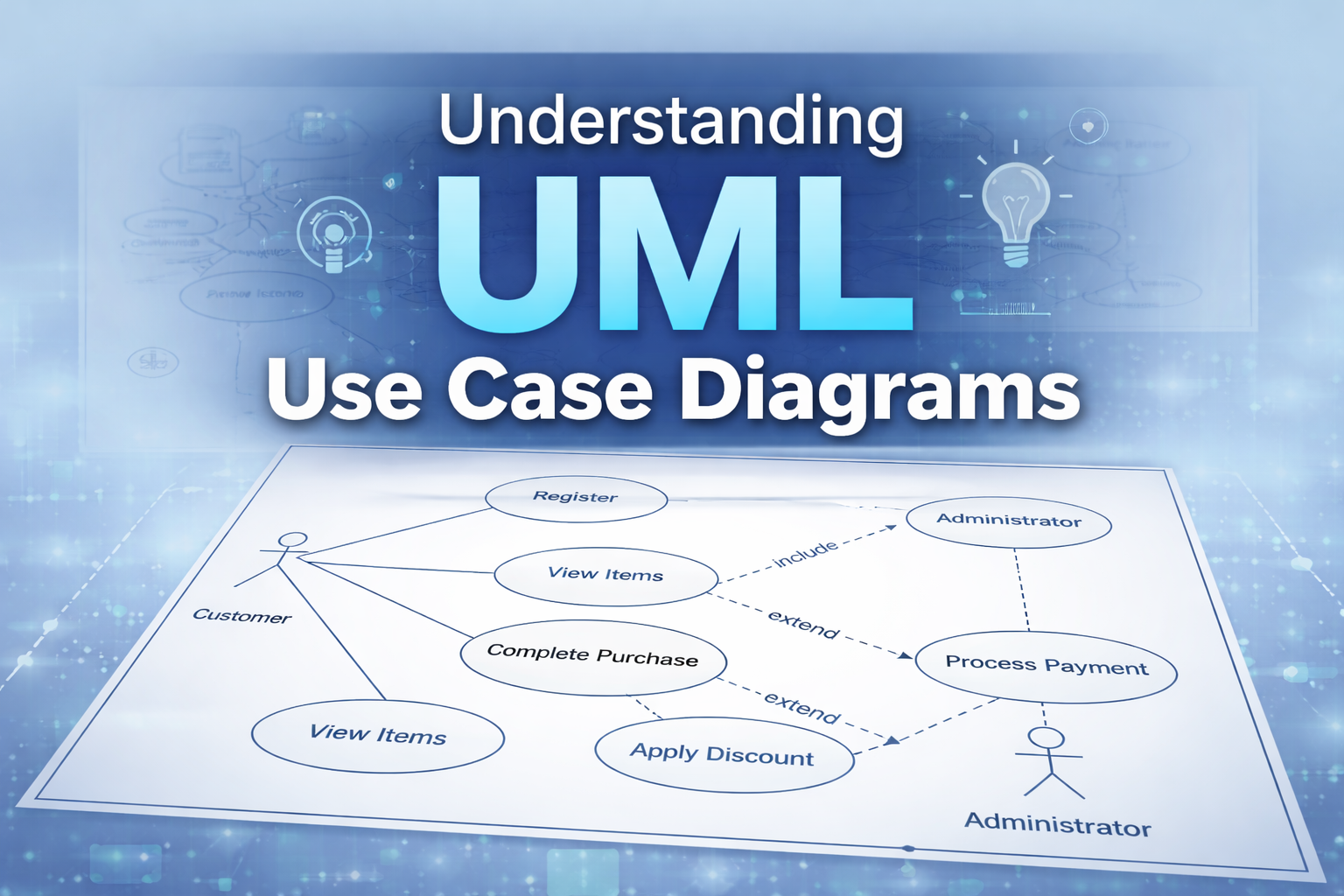
Understanding UML Use Case Diagrams
Explore the components and best practices for creating effective UML use case diagrams to model system requirements.
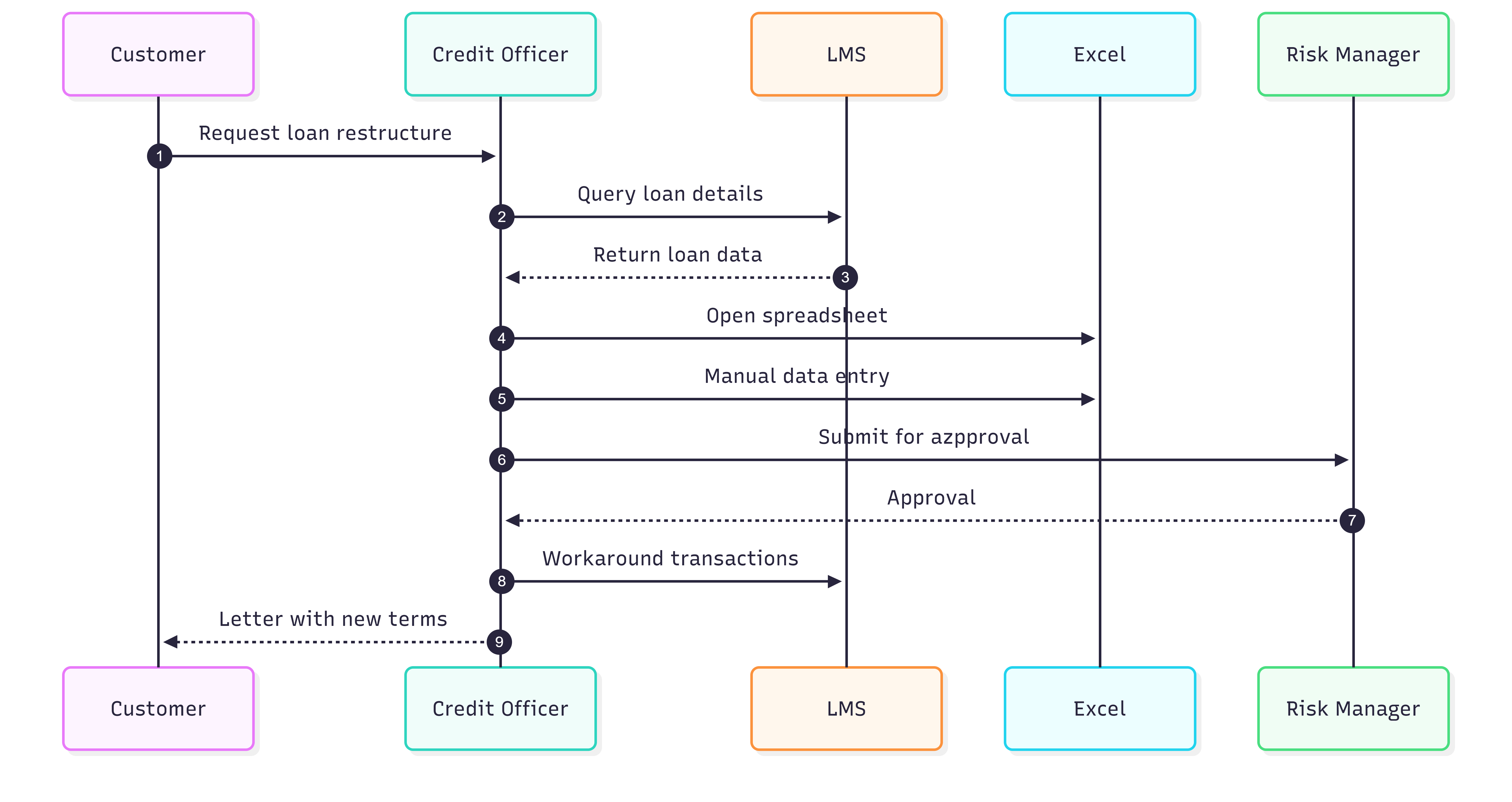
Sequence Diagrams Explained: A Complete Guide with Practical Examples
A comprehensive guide for developers, business analysts, and product managers to understand, create, and master sequence diagrams using Mermaid syntax.